


Special Column – Executive Viewpoint
‘Executive Viewpoint’ features exclusive insights from industry leaders shaping the future of mobile games. Have a perspective to share? We invite experts to contribute. Reach out to us at editor@gamingonphone.com.
Just a few years ago, generative AI felt like magic.
In 2023, even imperfect AI visuals were met with excitement. Extra fingers, distorted proportions, surreal lighting: none of it mattered. The speed alone was astonishing. What once required weeks of production could suddenly be generated in seconds.
But something has changed.
Today, the same visuals that once impressed audiences increasingly trigger skepticism. Users recognize the presets. They spot the artifacts. They see the same color grading, the same compositional shortcuts, the same recycled aesthetics appearing everywhere: from memes to marketing campaigns to game assets.
The “wow” moment has quietly turned into fatigue.
When Volume Replaces Vision
The issue isn’t AI itself. It’s the scale and nature of the content being produced.
What many companies overlook is that most AI content today isn’t created by professional studios. It’s created by users themselves. People actively experiment with generative tools, producing memes, images, short videos, and jokes that spread instantly through social networks and private chats.

This user-generated AI content forms the majority of what people see every day. It’s fast, improvised, and often made without professional skill because the tools are accessible to anyone with a $20 subscription. According to rough estimates across social platforms, commercial professional content likely represents only 15–20% of the total AI-generated visual ecosystem. The rest is produced casually by millions of users.
And that content spreads the fastest.
As a result, audiences are constantly exposed to the same visual artifacts: strange anatomy, inconsistent lighting, warped objects, and glitchy textures. They learn to recognize these patterns instinctively. Over time, it creates fatigue and erodes trust.
Why Commercial AI Triggers Stronger Backlash
Ironically, this fatigue becomes most visible when similar visuals appear in professional marketing.
Users may tolerate imperfect AI memes created by ordinary people because they understand the context. “We’re just experimenting with tools we have,” the logic goes.
But when the same visual flaws appear in commercial campaigns, the reaction changes dramatically. Audiences begin asking a simple question:
If we amateurs are doing this because we don’t have resources, why are billion-dollar companies with teams of designers doing the exact same thing?
A notable example was Coca-Cola’s recent holiday campaign, which recreated the brand’s iconic Christmas truck commercial, a cultural staple for over 30 years, using generative AI. While the project aimed to showcase new technology, many viewers reacted negatively. Beyond the broader discussion about replacing human craft, people immediately noticed visual artifacts: oddly shaped truck wheels, inconsistent vehicle details, subtle distortions that felt familiar from everyday AI-generated imagery.
Instead of feeling magical, the campaign reminded audiences of the same imperfect visuals they already see daily in memes.
A similar situation occurred with promotional videos released around the recent Olympic Games. Viewers quickly suspected generative production, analyzed the footage frame by frame, and circulated examples of visual glitches across social media. In today’s digital environment, any piece of content can be examined under a microscope and instantly broadcast across the globe.
This is what frustrates audiences, not AI itself, but the careless use of it.
The Trust Problem
Another factor fueling skepticism is how visually literate audiences have become.
After months of exposure to AI imagery, users now recognize the telltale signs: default shading, unnatural motion, inconsistent objects, and borrowed aesthetics repeating across platforms. If something looks slightly “off,” many people now assume it was generated, even when it wasn’t.
In other words, the baseline assumption has shifted from curiosity to doubt.
For industries like gaming, where visual immersion is critical, this shift matters enormously. Games rely on coherent worlds and believable design languages. When players detect something rushed, artificial, or visually inconsistent, immersion breaks instantly. And once trust erodes, it is difficult to rebuild.
The Hidden Friction: Hardware and Perception
There is also a broader ecosystem effect that often goes unnoticed.
At the same time, AI content is flooding feeds, and news headlines are increasingly filled with reports about rising hardware prices, memory shortages, and massive investments in AI data centers. Major technology companies are shifting manufacturing capacity toward enterprise AI infrastructure, building servers and data centers rather than consumer hardware.
For everyday users and gamers, this creates a frustrating contrast. When someone struggles to upgrade their PC or buy a console at a reasonable price, the obvious question becomes: why is all of this happening?
The abstract explanation that AI will transform industries and unlock powerful tools often feels distant. What people actually see in their daily feeds are endless AI memes with cats, celebrities, and politicians.
For many users, that becomes the visible “reason” behind the shortage of hardware and rising prices. Whether accurate or not, this perception adds another layer of skepticism toward AI.
A New Phase for AI in Games
None of this means the AI era is ending. Quite the opposite.
Generative technology is becoming part of a new technological era that is reshaping creative industries, including games. The skeptical or even negative attitude we see today is a natural phase of adjustment as audiences, creators, and companies learn how these tools fit into real production environments.
For the industry, this moment is less about abandoning experimentation and more about learning from the signals coming from audiences. The negative reactions, viral critiques, and visible missteps across media are all valuable feedback about how people perceive and evaluate AI-generated content.
Studios that pay attention to these signals will be better positioned to build lasting trust with players.
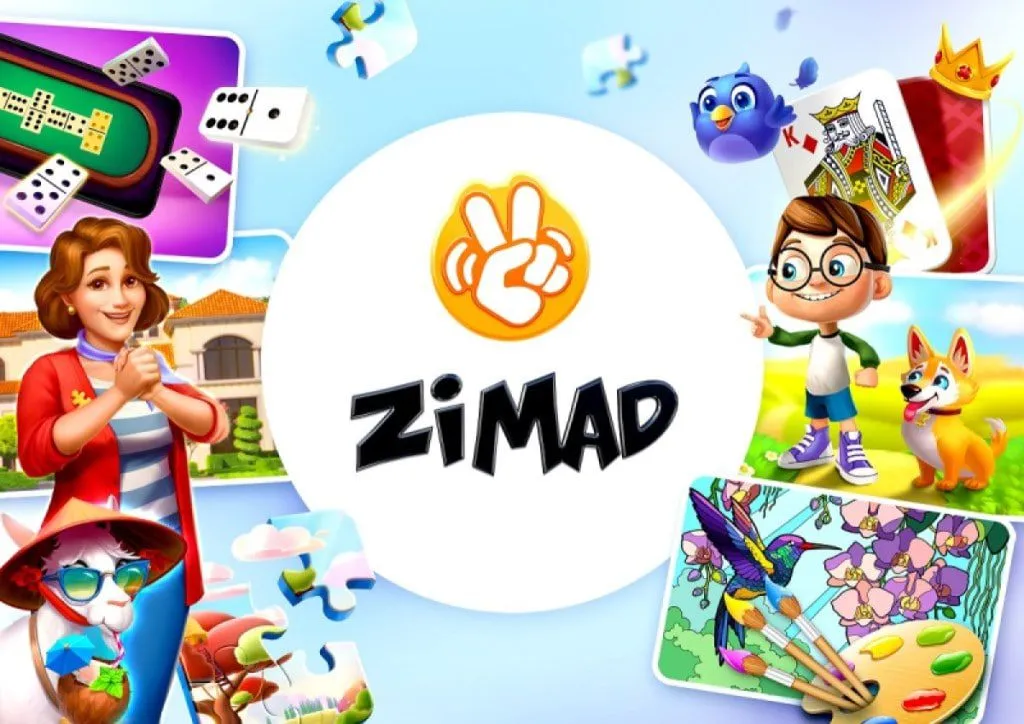
At ZiMAD, we see this as an important responsibility for the industry as a whole. Working with new technologies means not only exploring their capabilities but also understanding how audiences experience them, their expectations, their fatigue with repetitive content, and their sensitivity to visual authenticity.
We are entering a new technological era, and navigating it requires both confidence and caution. The opportunities are enormous, but so is the responsibility to use new tools thoughtfully and with awareness of the broader context in which players encounter them every day.
The future of AI in games will not be defined solely by how powerful the tools become, but by how carefully the industry chooses to apply them, thoughtfully, responsibly, and with respect for its audience and the shifting expectations of players.
Read more from the Executive Viewpoint column: